
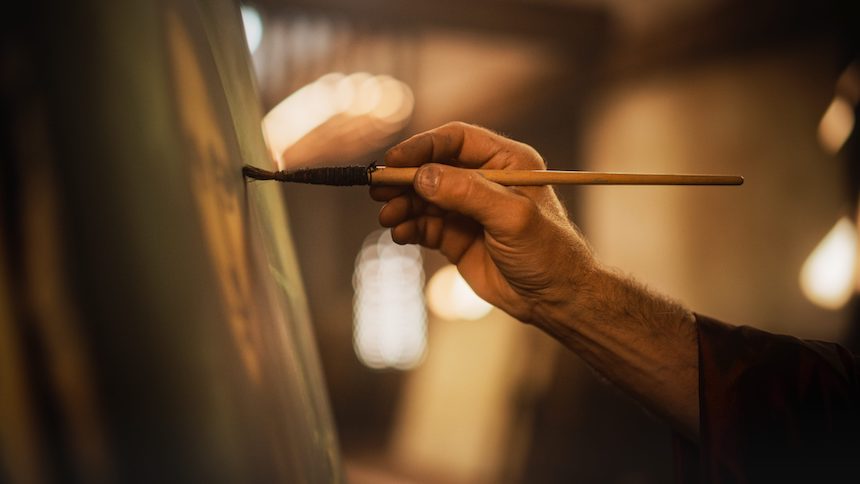
Creative therapy can help you release emotion, spot patterns, and grow self-trust. Art and journaling give shape to feelings, release stress, and build insight. While at home or in groups, small creative steps support daily recovery. With prompts, rituals, and support, creative therapy becomes a steady tool. Try one tiny action today, write one true line tonight, and notice what shifts.
Opening your notebook or picking up a paintbrush can feel small. Yet the act can shift how your day goes. When tough thoughts sit heavy, art and words can move them. First, you do not need training. Second, you do not need fancy tools. Lastly, you only need a safe space and a few minutes. With simple steps, you can let feelings out, name them, and see them from a new angle.
Here, we explore art and journaling as paths that many people use at home or in groups. First, you can try them during recovery, after a setback, or when you feel stuck. Secondly, you can also blend them with therapy or support from people you trust.
This guide breaks down how to start, how to keep going, and how to adjust when your day gets busy. We will focus on clear, small moves that build calm and insight. We will also show ways to connect with others, since group work can steady your pace and add hope. Likewise, you will learn to set simple goals, track your wins, and build healthy lifestyle habits that last.
Along the way, we will keep language clean and kind. We will avoid jargon. We will use steps that fit real life.
Creative Therapy Art For Calm And Clarity
Art lays a path from the inside out. Your hands move, breath slows, and mind sees shape and line. Feelings that had no name may show up in color or form. When you make art at home, you decide the rules and set a timer for ten minutes.
- Choose two or three colors.
- Draw simple shapes. With each stroke, your body sends a signal that says I am safe.
- The page takes what you carry.
- No need to explain. Let the page hold it.
Start with a small kit. Use printer paper, crayons, or markers. Place the kit where you can reach it fast. Tie the habit to a cue. For example, draw for five minutes after morning coffee. Or paint a quick wash before bed. Keep the bar low. The goal is to show up, not to make a “good” piece.
When you set the bar low, you reduce friction. Also, when you reduce friction, you build a steady habit.
Some people in recovery like to add themes. One day, they drew a boundary as a thick line. Another day, they draw a circle for a safe place. A week later, they draw a ladder for the steps they plan to take. These simple images help the brain link pictures to plan.
Journaling For Mental Health That Fits Real Life
Journaling turns fast thoughts into lines you can track. You give a name to what you feel. You follow the thread to see what sets you off and what helps you reset.
Try one page per day. Start each line with Today I feel because. Keep it short. Moreover, if you feel stuck, use a list: three things that stress me, three things that help me.
Group Creative Therapy And Peer Support
Group space can lift the weight that words alone may not move. When you sit with others and make art or write, you feel rhythm in the room. A clear prompt helps. The leader may say write for five minutes without stopping.
Moreover, draw with your non-dominant hand to bypass your inner critic. These small constraints can help you access the truth. The group then reflects on what they see, not what they judge. That mirror can clarify your own story.
Generally, you can also blend groups with peer support tied to school or work. Support that names this load can help. For a place to start, see The Summit Wellness Group. While you read, you might notice themes you can bring into your journal.
Creative therapy can also fit a sponsor or mentor model. In general, you share your page or sketch with one person you trust. They reflect what stands out and ask a gentle question. The question can lead to the next page, and so on.
Over time, you build a chain of pages that show growth. You can see mood shifts, habit gains, and needs that need care. In group work, your voice grows. In your voice, you find a self you can rely on.
Simple Prompts That Unlock Emotion
A good prompt does not push. It opens a small door. When you feel tense, pick prompts that lower pressure. Try a color scan. Ask which color matches your mood. Fill a corner of the page with that color. Add one more color that you want to feel next. Let both colors touch. That small blend marks a shift from now to next.
Word prompts can be light as well. Use sentence stems. Today, my body says, my mind needs it, and I can take one step at a time. In addition, write one line per stem. I will be kind to myself. Keep each plan tiny and concrete. Drink a glass of water. Step outside for two minutes. Text a friend. You build trust when you do what you said you would do.
Turning Art And Words Into Daily Creative Therapy
Rituals make change stick. You can build a simple loop that takes less than fifteen minutes. Start with two minutes of breath. Then draw for five minutes. Then write three lines. End with a one-line plan for the day. Place the loop at the same time and place each day. Stack it with a cue, like tea, a walk, or lights out.
Track your streak on a wall or app. A chain of days can boost your mood. When you miss a day, restart the next day without blame. If your schedule shifts, shrink the loop. One minute of color, two lines, one tiny step. A small loop is still a loop. The goal is not artistic skill. The goal is contact with the self.
Building A Personal Plan That Supports Recovery
A clear plan helps you keep going when your mood dips. Write a one-page plan that lists why you create, when you create, and what you use. Name your top three prompts. Name two people you can text if you feel stuck. Keep the page where you can see it. Review the plan once a week. Mark one thing to keep and one thing to tweak.
Blend solo time with group time. Do your daily loop at home. Join a weekly art or journal circle. If you need guides that speak to your stage, look into anxiety support for young adults. Use guides to pick skills that pair with your pages, such as grounding, paced breath, or a check-in script. This mix can help you stay steady.
Shortly, as you move through recovery, creative therapy can show you who you are now. Your pages tell the truth of your days. All in all, your colors show shifts that words may miss. The group reflects your strength. With time, you build a map from pain to purpose. Basically, you have more choices. You trust your path. Altogether, you see that the act of making is the act of healing.

- Creative Therapy Through Art and Journaling for Mental Health - November 1, 2025
- Cannabis and Celebrities Have Often Coincided - July 23, 2022
- Healthy Lifestyle Benefits of Kratom - July 23, 2022
More from Anne Cohen Writes
 Integrating Holistic Approaches in Modern Therapy Clinics
 What You Need To Do To Create a Better Life
 The Importance of a Clean Home for Physical and Mental Well-Being
 Making a Room Look Bigger With Just a New Paint Job
 Elevate Your Home Aesthetics With Our Exceptional House Painters Services
 Small Craft Businesses That You Can Consider
